Sustainability

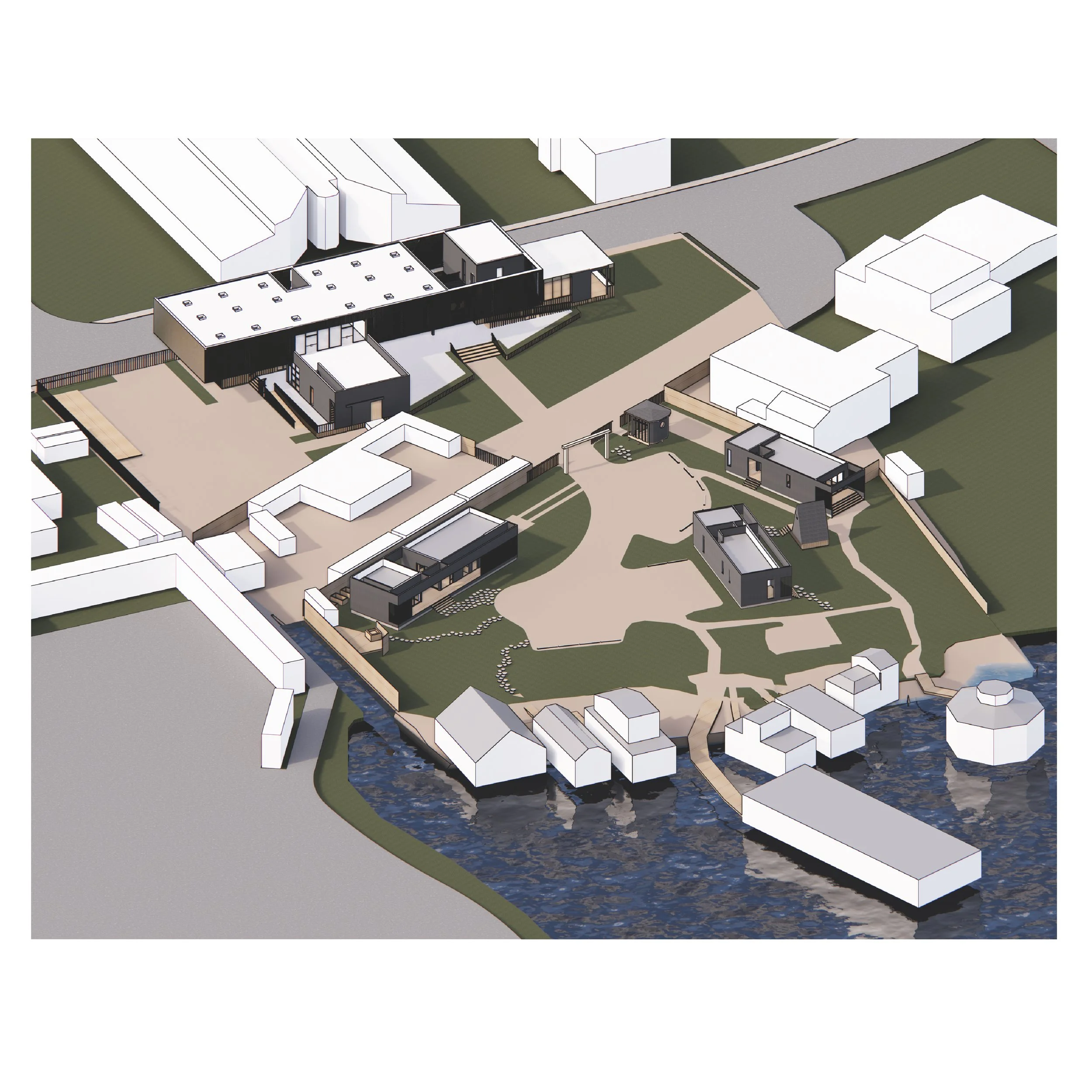
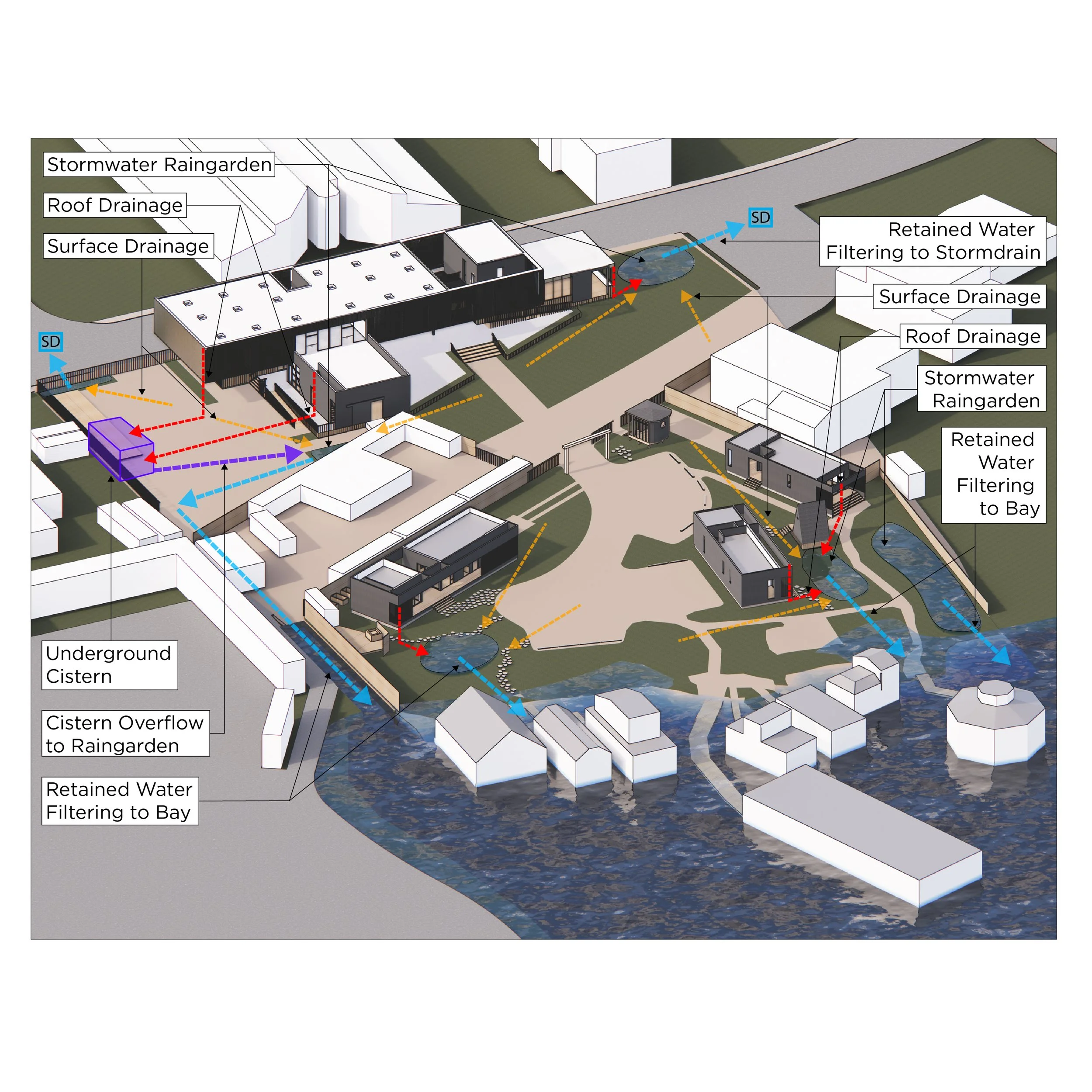
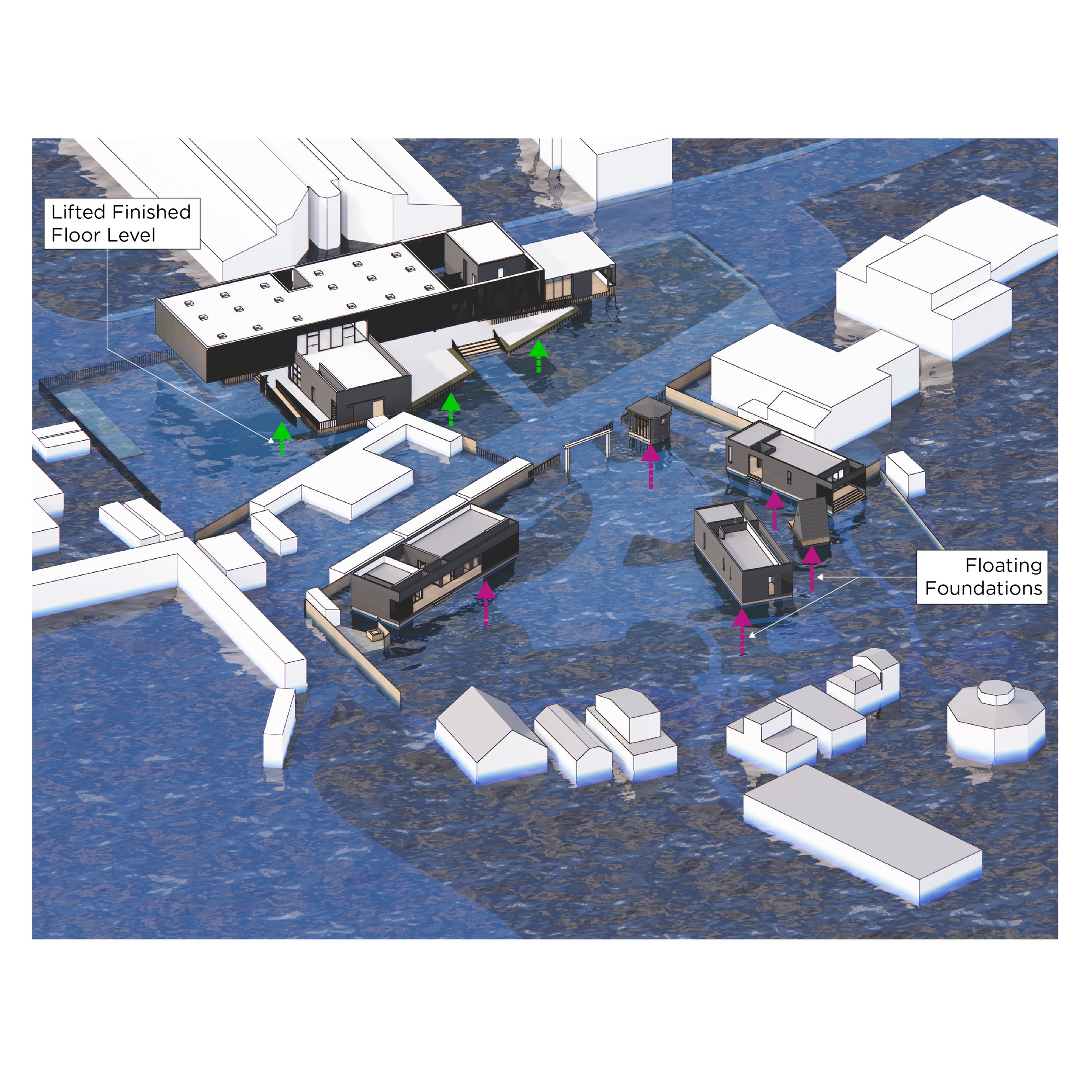
At MIST Architects, we believe that “good design” can no longer exist without being sustainable. Architecture cannot just look nice, it must also be energy efficient, bolster human wellbeing, and strategically enhance the site around it.
As architects, clients, and builders, we have the unique opportunity to influence the performance of our projects by paying more attention to things like building orientation, form, materials, and systems. This effort begins from the earliest stages of our design and informs our decisions continuously as our concepts become reality. Building performance is inseparable from our thought process.
With the right approach, more sustainable design can be achieved with any budget. While project sustainability certifications like LEED, Passive House, or WELL do often come at a premium, we believe that the return on investment for future occupant wellness, energy use reduction, disaster resilience, and building marketability more than justifies the expense. With high construction costs, however, it is much more common that project sustainability does not fit within our client’s financial goals. We utilize simple, cost-free methods like site orientation, natural lighting, shading, re-use, digital modelling, careful material selection, and conscious detailing that weave building performance into every project, no matter the budget.
What is Passive House?
Matt Ininns is a Certified Passive House Consultant and strives to infuse every project with the high-performance concepts of Passive House. This rigorous construction standard creates a building high quality enclosure to reduce energy use and carbon emissions while also prioritizing fire resiliency, comfort, and human health with simple, data driven methods.
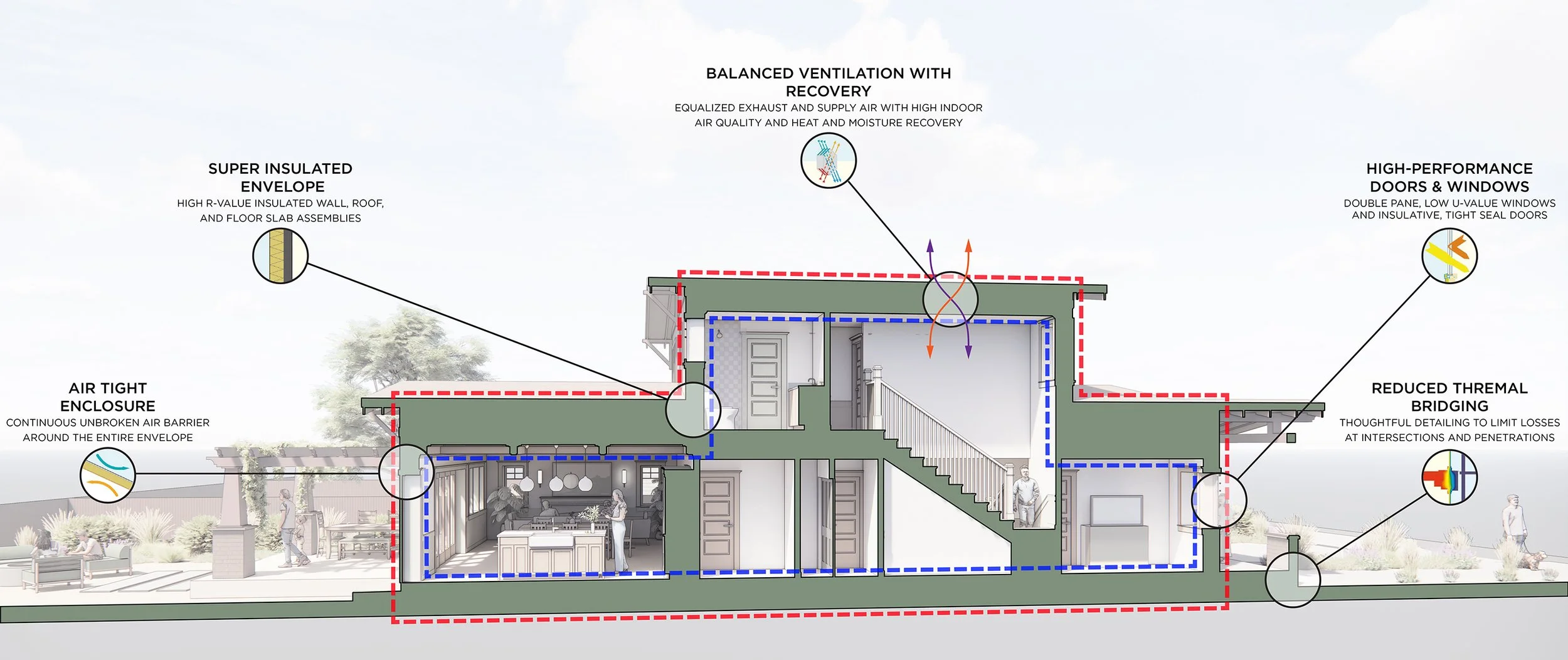
The Passive House approach addresses five core principles:
Super Insulated Enclosure: Continuous insulation around the entire exterior reduces a building’s energy usage for heating and cooling and improves interior comfort.
Reduced Thermal Bridges: Strategic, thermal-bridge-free enclosure detailing eliminates heat transfer, minimizes mold, and maintains a healthy indoor environment.
High-Performance Doors & Windows: Insulated, airtight sealing doors and windows with strategic shading reduces energy use and infiltration.
Airtightness: A tight, continuous air-control layer prevents outdoor air infiltration and the loss of conditioned interior air while ensuring enclosure durability.
Balanced Ventilation with Recovery: Balanced ventilation provides high indoor air quality while achieving the proper heat and moisture levels.